
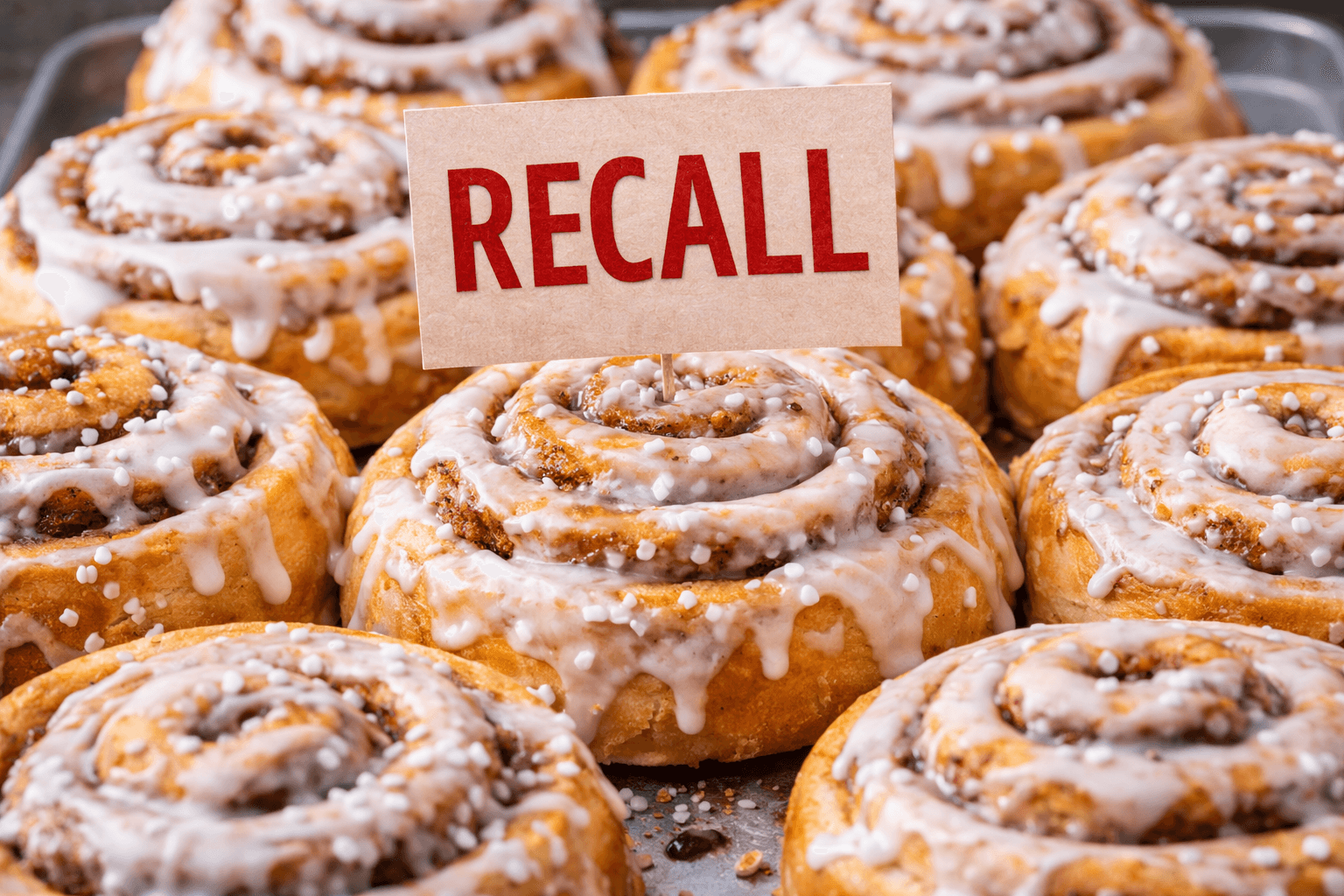
A cinnamon bun dessert recall can sound alarming, especially when it involves a treat many people keep at home for breakfast or dessert. Recalls don’t always mean someone has gotten sick, but they do signal that something went wrong somewhere in the production process. Understanding why recalls happen, how to check your products, and what to do next helps you protect your family without unnecessary panic.
This article explains what a cinnamon bun dessert recall is, common reasons behind recalls, how to check if your product is affected, what to do with recalled items, food safety tips, FAQs, and expert insight, all in clear, simple language.
What Is a Cinnamon Bun Dessert Recall?
A cinnamon bun dessert recall happens when a manufacturer or food safety authority removes a product from the market because it may be unsafe. The issue could be related to contamination, incorrect labeling, undeclared allergens, or packaging problems.
Recalls are usually issued as a precaution. In many cases, no illnesses have been reported, but the risk is considered serious enough to act early. That early action is what keeps small issues from becoming big ones.
Common Reasons Cinnamon Bun Desserts Get Recalled
Several problems can trigger a recall, even for baked goods that seem low-risk.
Undeclared Allergens
This is one of the most common reasons. Cinnamon buns often contain milk, eggs, wheat, soy, or nuts. If any allergen is missing from the label, people with allergies could be at risk.
Possible Contamination
Recalls may happen if there’s a chance of bacteria like salmonella or listeria, usually linked to ingredients such as eggs, dairy, or fillings.
Packaging Errors
Sometimes the product inside doesn’t match the label on the outside. A gluten-free label on a regular cinnamon bun, for example, can be dangerous.
Foreign Materials
On rare occasions, pieces of plastic, metal, or other materials are discovered during quality checks.
None of these issues mean every cinnamon bun is unsafe, but they do require quick attention.
How Recalls Are Announced
Most recalls are announced through food safety agencies, company websites, and news outlets. Retailers may also post notices in stores or contact customers directly if loyalty cards were used.
Online grocery shoppers often receive emails. Social media is another common place where recall information spreads quickly.
Because recalls move fast, checking reliable sources matters.
How to Check If Your Cinnamon Bun Dessert Is Affected
Start by looking at the package. Most recall notices include specific details like brand name, product name, size, UPC code, lot number, and expiration date.
Match every detail carefully. A similar-looking product might not be affected at all. If you’re unsure, avoid eating it until you confirm.
When packaging has been thrown away, checking store receipts or order history can help.
What to Do If You Have a Recalled Cinnamon Bun Dessert
Do not eat the product, even if it looks and smells fine. Food safety issues are often invisible.
Follow the instructions listed in the recall notice. Some products should be returned to the store for a refund. Others should be thrown away safely. In some cases, manufacturers offer direct refunds or replacements.
Wash your hands after handling the product. Clean any surfaces that came into contact with it, especially if contamination is involved.
Should You Be Worried?
Most recalls are preventive, not reactive. That means action is taken before people get sick.
If you haven’t eaten the product, your risk is usually very low. If you did eat it and feel fine, there’s often no need to panic. However, symptoms like fever, stomach pain, vomiting, or diarrhea should always be taken seriously, especially for children, older adults, or pregnant individuals.
When in doubt, contacting a healthcare provider is the safest choice.
Homemade Cinnamon Buns vs Store-Bought
Some people turn to homemade cinnamon buns after hearing about recalls. Baking at home gives you full control over ingredients and cleanliness, which can feel reassuring.
That said, homemade baking also requires good food safety habits. Fresh eggs, clean surfaces, proper storage, and correct baking temperatures all matter.
Both homemade and store-bought desserts can be safe when handled properly.
Food Safety Tips for Cinnamon Bun Desserts
Check expiration dates before buying or eating. Store refrigerated cinnamon buns according to package instructions. Avoid leaving cream cheese–frosted buns at room temperature too long. Use clean utensils when serving. Reheat leftovers properly if recommended.
These small habits lower risk significantly.
Why Recalls Happen More Often Than You Think
Modern food safety systems are very sensitive. That’s a good thing.
Testing methods have improved, inspections are stricter, and companies are held accountable. As a result, issues that once might have gone unnoticed are now caught early.
More recalls don’t always mean food is less safe. Often, they mean safety systems are working.
Frequently Asked Questions
A recall doesn’t always mean someone got sick. Most recalls are preventive. You should not eat recalled products even if they look fine. Refunds are usually available through stores or manufacturers. Not all products from a brand are affected, only specific batches. Homemade cinnamon buns are not part of commercial recalls.
Clear information reduces unnecessary fear.
How Retailers Handle Cinnamon Bun Recalls
Retailers remove affected products from shelves immediately. Online listings are taken down. Staff are notified to stop selling the item. Refund systems are put in place to make returns easy.
Many stores now track recalls closely because trust matters to customers.
Expert Insight on Dessert Recalls
Food safety experts agree on one thing. Transparency matters more than perfection.
When companies issue recalls quickly and clearly, it builds trust. Trying to hide or delay problems does the opposite. For consumers, paying attention to recall notices and following instructions is the best protection.
Staying informed is more effective than worrying.
What to Remember Going Forward
Cinnamon bun dessert recalls can feel unsettling, but they’re part of a larger system designed to keep people safe. Understanding why recalls happen and how to respond takes away much of the stress.
Checking labels, staying informed, and practicing basic food safety at home go a long way.
Final Thoughts
A cinnamon bun should be a comfort, not a concern. While recalls are never pleasant, they exist to protect consumers before harm occurs.
By knowing what to do and staying alert without overreacting, you can continue enjoying desserts with confidence and peace of mind.