
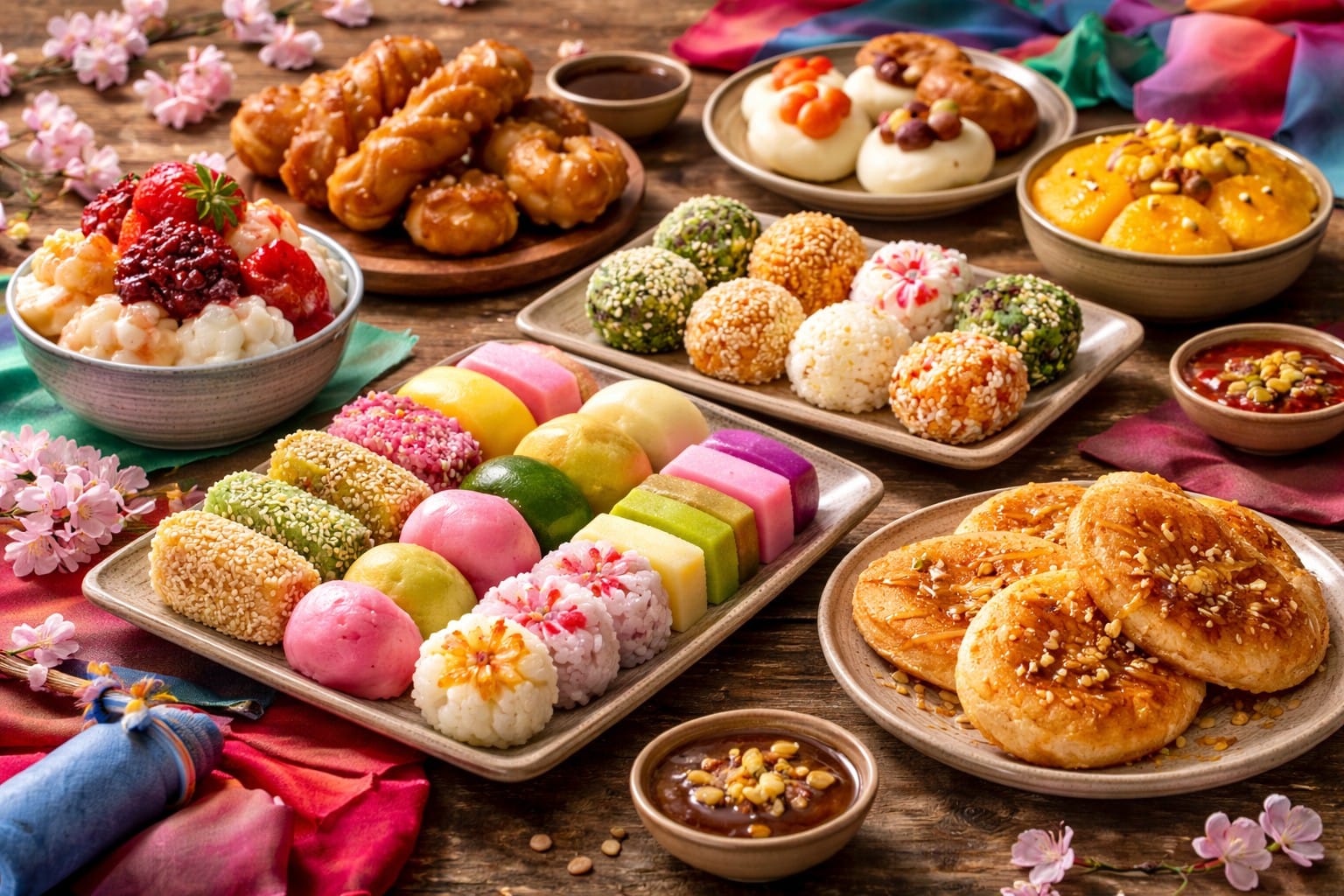
Korean desserts are light, balanced, and deeply connected to culture, seasons, and health. Unlike many Western desserts that rely on heavy cream and lots of sugar, Korean sweets focus on natural ingredients, subtle sweetness, soft textures, and visual beauty. Many Korean desserts are designed to refresh the body, aid digestion, and complement meals rather than overpower them.
This in-depth guide covers everything you need to know about Korean desserts, including what makes them unique, key ingredients, traditional and modern sweets, regional varieties, preparation methods, common mistakes, storage tips, healthier options, and frequently asked questions.
What Makes Korean Desserts Unique
Korean desserts are built around balance. Sweetness is gentle, never overwhelming. Texture is just as important as taste, with chewy rice cakes, silky jellies, shaved ice, and soft steamed sweets playing a major role.
Another defining feature is seasonality. Many Korean desserts are eaten during specific seasons to cool or warm the body. Presentation also matters. Desserts are often colorful, symbolic, and carefully shaped.
Korean desserts are commonly enjoyed during:
Festivals and holidays
Family gatherings
Ancestral rituals
Tea time
After meals as a light finish
Rather than indulgence, Korean desserts emphasize harmony and tradition.
Key Ingredients Used in Korean Desserts
Korean sweets use simple, natural ingredients that have been used for centuries.
Rice and Rice Flour
Rice is the foundation of many Korean desserts.
Common forms include:
Glutinous rice
Non-glutinous rice
Rice flour
Rice cakes
Rice provides chewiness and structure without heaviness.
Sweeteners
Korean desserts use mild, natural sweeteners.
Common sweeteners include:
Honey
Brown sugar
Rice syrup
Corn syrup
Sweet red bean paste
Sugar is used sparingly compared to many other cuisines.
Beans and Legumes
Beans are widely used in Korean desserts.
Most common types include:
Red beans
White beans
Soybeans
Red bean paste is especially popular for fillings and toppings.
Fruits and Nuts
Fresh and dried fruits add natural sweetness.
Common choices include:
Jujubes
Chestnuts
Persimmons
Pine nuts
Sesame seeds
These ingredients add texture and nutrition.
Herbal and Floral Ingredients
Traditional Korean desserts often include medicinal elements.
Examples include:
Ginger
Cinnamon
Lotus root
Mugwort
Kudzu starch
These ingredients support digestion and balance.
Traditional Korean Desserts
Many traditional Korean desserts have been enjoyed for hundreds of years.
Rice Cake Desserts
Rice cakes, known as tteok, are the heart of Korean sweets.
Songpyeon
Half-moon-shaped rice cakes filled with sesame seeds, beans, or chestnuts. They are traditionally eaten during Chuseok, the Korean harvest festival.
They symbolize gratitude and abundance.
Injeolmi
Soft rice cakes coated in roasted soybean powder. They have a nutty flavor and chewy texture.
Baekseolgi
Steamed white rice cake made with minimal ingredients. It represents purity and is often served at celebrations.
Bean-Based Korean Desserts
Beans play a major role in traditional sweets.
Patjuk
Sweet red bean porridge often eaten in winter. It is warming, comforting, and believed to ward off bad energy.
Patbingsu (Traditional Version)
Originally made with shaved ice and sweet red beans, before modern toppings were added.
Jelly and Starch-Based Desserts
These desserts are light and refreshing.
Yakbap
Sticky rice mixed with chestnuts, jujubes, pine nuts, honey, and sesame oil. It is chewy, fragrant, and filling.
Muk Desserts
Made from acorn or mung bean starch, these jellies are lightly sweetened and served chilled.
Fried and Pan-Cooked Korean Desserts
These are less common but still traditional.
Yakgwa
Deep-fried honey cookies made with wheat flour, ginger, cinnamon, and sesame oil. They are soaked in syrup and have a soft, chewy texture.
Yakgwa is often served during ceremonies and holidays.
Modern Korean Desserts
Modern Korean desserts blend tradition with global influences.
Shaved Ice Desserts
Bingsu
A popular modern dessert made with finely shaved ice and milk.
Common toppings include:
Red bean paste
Fresh fruit
Condensed milk
Rice cakes
Ice cream
Popular variations include mango bingsu, strawberry bingsu, and matcha bingsu.
Korean Cakes and Pastries
Korean-style cakes are lighter than Western cakes.
They usually feature:
Soft sponge layers
Light whipped cream
Fresh fruit
Mild sweetness
These cakes are popular for birthdays and celebrations.
Street Food Desserts
Korean street desserts are simple and comforting.
Hotteok
Sweet pancakes filled with brown sugar, cinnamon, and nuts. They are crispy outside and gooey inside.
Gyeranppang (Sweet Version)
While usually savory, sweet versions include custard or sugar fillings.
Seasonal Korean Desserts
Seasonality plays a big role in dessert choices.
Summer Desserts
Cold and refreshing sweets are popular.
Examples include:
Bingsu
Fruit jellies
Cold rice cakes
Watermelon punch
These desserts help cool the body.
Winter Desserts
Warm and hearty desserts are preferred.
Common winter sweets include:
Patjuk
Hotteok
Yakgwa
Steamed rice cakes
They provide comfort and warmth.
Korean Desserts and Tea Culture
Many Korean desserts are enjoyed with traditional teas.
Common pairings include:
Rice cakes with green tea
Yakgwa with ginger tea
Fruit desserts with barley tea
Jellies with herbal teas
Tea balances sweetness and aids digestion.
How Korean Desserts Are Traditionally Served
Korean desserts are served with care and intention.
Typical serving styles include:
Small portions
Shared plates
Natural presentation
Seasonal ingredients
Visual harmony is just as important as flavor.
Tips for Making Better Korean Desserts
Use fresh rice flour
Avoid over-sweetening
Steam gently and evenly
Allow desserts to rest
Focus on texture as much as taste
Patience and precision matter.
Common Mistakes to Avoid
Adding too much sugar
Overcooking rice cakes
Skipping soaking steps
Using low-quality ingredients
Rushing preparation
Small errors can affect texture.
Healthier Aspects of Korean Desserts
Korean desserts are naturally lighter.
Health-friendly features include:
Lower sugar levels
Use of beans and grains
Minimal dairy
Steaming instead of baking
Portion control
This makes them easier to enjoy regularly.
Storage and Shelf Life
Most Korean desserts are best eaten fresh.
General storage tips:
Rice cakes harden quickly and should be eaten same day
Jellies keep refrigerated for one to two days
Bingsu should be consumed immediately
Honey-based sweets last longer when sealed
Freshness is key.
Frequently Asked Questions
Korean desserts are generally mildly sweet and focused on texture. Popular Korean desserts include rice cakes, bingsu, yakgwa, hotteok, and red bean sweets. Korean desserts use less sugar than Western desserts and often include beans, rice, and natural sweeteners. Many Korean desserts are tied to festivals and seasons.
Final Thoughts
Korean desserts reflect balance, tradition, and respect for natural flavors. They are designed to comfort without overwhelming, refresh without excess, and nourish both body and mind. From chewy rice cakes and refreshing shaved ice to honey-soaked cookies and warm pancakes, Korean sweets offer a unique and thoughtful dessert experience.
Whether enjoyed during festivals, with tea, or as a light treat after meals, Korean desserts continue to charm with their simplicity, symbolism, and timeless appeal.