
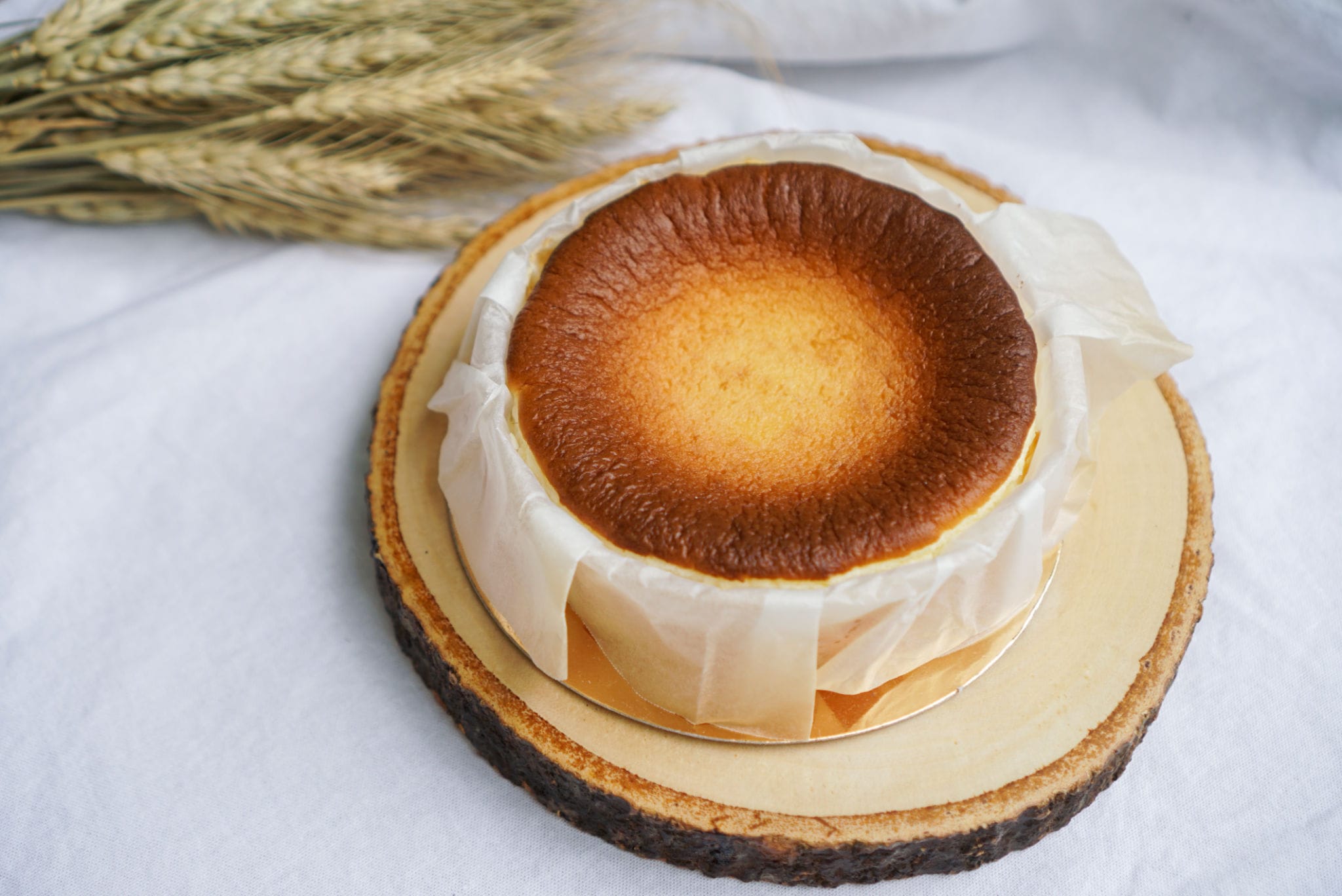
Low carb desserts often get a bad reputation for being dry, bland, or overly artificial. The truth is, when done right, they can be just as satisfying as traditional sweets. With the right ingredients and techniques, low carb desserts can be rich, sweet, and comforting without relying on refined sugar or heavy carbs.
This guide breaks down everything you need to know about low carb desserts. You’ll learn what makes a dessert low carb, the best ingredients to use, how to sweeten without sugar, common mistakes to avoid, popular dessert types, easy swaps, storage tips, and expert advice to help you make desserts you’ll actually want to eat.
What Are Low Carb Desserts
Low carb desserts are sweets made with minimal carbohydrates, especially refined sugars and flours. Instead of white sugar and all-purpose flour, these desserts use alternative sweeteners and low carb flours that keep blood sugar spikes lower.
Most low carb desserts focus on reducing net carbs, which means total carbs minus fiber and sugar alcohols. This approach allows desserts to stay flavorful while fitting into low carb or keto-style eating plans.
Why People Choose Low Carb Desserts
Many people turn to low carb desserts to support weight management, blood sugar control, or overall healthier eating habits. Others simply want to enjoy dessert without feeling heavy afterward.
Another big reason is flexibility. Low carb desserts can be gluten-free, sugar-free, and sometimes dairy-free, making them suitable for different needs.
Taste matters too. When recipes are well balanced, low carb desserts don’t feel like a compromise.
Common Ingredients in Low Carb Desserts
The ingredients are what truly define low carb baking.
Low carb flours often include:
- Almond flour
- Coconut flour
- Flaxseed meal
- Sunflower seed flour
These flours behave differently from wheat flour and usually need more moisture and binding.
Low carb sweeteners include:
- Erythritol
- Monk fruit sweetener
- Stevia blends
- Allulose
Each sweetener has its own taste and baking behavior, so choosing the right one matters.
Other key ingredients:
- Eggs for structure
- Butter or coconut oil for richness
- Cream cheese or heavy cream for smooth texture
- Cocoa powder for chocolate desserts
Understanding Sugar Substitutes
Not all sugar substitutes are the same.
Erythritol is popular because it has almost no calories and doesn’t spike blood sugar. It can create a slight cooling effect, especially in no-bake desserts.
Monk fruit is very sweet and often blended with erythritol to balance flavor.
Stevia is powerful and works best in small amounts or blended with other sweeteners.
Allulose behaves most like real sugar. It browns well and stays soft in baked goods, making it great for cookies and cakes.
Blends usually give the best results.
Low Carb Chocolate Desserts
Chocolate desserts are some of the easiest low carb treats to master.
Dark cocoa powder is naturally low in carbs and rich in flavor. When paired with the right sweetener and fat, it creates brownies, cakes, and truffles that feel indulgent.
Popular low carb chocolate desserts include:
- Flourless chocolate cake
- Low carb brownies
- Chocolate mousse
- Chocolate fat bombs
- Chocolate cookies made with almond flour
Using high-quality cocoa makes a noticeable difference.
Low Carb Cookies
Cookies are one of the most requested low carb desserts.
Almond flour cookies tend to be soft and chewy. Coconut flour cookies are lighter but need careful moisture balance. Mixing both flours often creates the best texture.
Common low carb cookie flavors:
- Chocolate chip
- Peanut butter
- Snickerdoodle
- Coconut
- Double chocolate
Chilling the dough helps cookies hold their shape and improves flavor.
Low Carb Cakes and Cupcakes
Low carb cakes can be tricky, but they’re very doable.
Eggs provide structure, while almond flour gives moisture. Baking powder or baking soda helps lift the batter. Sour cream or Greek-style low carb yogurt adds softness.
Popular low carb cake options include:
- Vanilla almond cake
- Chocolate layer cake
- Lemon loaf cake
- Carrot-style cake using almond flour
- Mug cakes for single servings
Letting cakes cool completely is important, as texture improves after setting.
Cheesecakes and Creamy Desserts
Cheesecake is naturally low carb friendly.
Cream cheese, eggs, and low carb sweeteners form the base. Crusts are often made from almond flour and butter or skipped entirely.
Other creamy desserts include:
- No-bake cheesecakes
- Chocolate mousse
- Custards
- Panna cotta-style desserts
These desserts feel rich and satisfying, making them popular choices.
No-Bake Low Carb Desserts
No-bake desserts are quick and beginner-friendly.
Common no-bake ideas:
- Fat bombs
- Peanut butter balls
- Coconut bars
- Chocolate fudge
- Cheesecake cups
These desserts usually rely on chilling rather than baking and are perfect for warm weather.
Fruit in Low Carb Desserts
Fruit can be used carefully.
Berries are the most common low carb fruit because they’re lower in sugar. Strawberries, raspberries, and blackberries add flavor without too many carbs.
Small amounts go a long way. Fruit is often used as a topping rather than a main ingredient.
Avoid high-sugar fruits like bananas, grapes, and mangoes.
Common Mistakes in Low Carb Baking
Several mistakes can ruin texture or flavor.
Using too much coconut flour makes desserts dry and crumbly. Overusing sweeteners can cause bitterness or cooling effects. Skipping salt flattens flavor. Baking too long dries everything out.
Low carb baking rewards precision and patience.
Texture Tips That Make a Difference
Texture is where most low carb desserts fail or succeed.
Helpful tips:
- Measure flours carefully
- Add moisture with cream, yogurt, or eggs
- Let baked goods cool fully
- Use parchment paper to prevent sticking
- Chill doughs and batters when needed
Resting time improves structure and flavor.
Sweetness Balance Matters
Low carb desserts should be sweet, not overpowering.
Combining sweeteners often creates a more natural taste. Adding vanilla, cinnamon, or cocoa enhances sweetness without adding carbs.
A small pinch of salt helps desserts taste more balanced.
Low Carb Dessert Variations
Low carb desserts are flexible.
You can make them:
- Keto-friendly
- Gluten-free
- Sugar-free
- Dairy-free with swaps
- Nut-free using seed flours
Once you understand the base ingredients, adapting recipes becomes easier.
Storing Low Carb Desserts
Storage affects texture more than with regular desserts.
Room temperature works for cookies and bars for a short time. Refrigeration is best for cheesecakes and cream-based desserts. Freezing works well for most low carb treats.
Always store in airtight containers to prevent drying out.
Shelf Life Expectations
Low carb desserts often last longer due to lower sugar content.
Most baked goods last:
- 3 to 5 days refrigerated
- Up to 2 months frozen
No-bake desserts usually need refrigeration.
Serving Low Carb Desserts
Presentation still matters.
Serve with:
- Whipped cream made with low carb sweetener
- Fresh berries
- Sugar-free chocolate drizzle
- Chopped nuts
Small portions feel satisfying due to higher fat and protein content.
Are Low Carb Desserts Healthy
Low carb desserts are not health food, but they can be a better option than traditional sweets for many people. They reduce sugar spikes and often include more protein and healthy fats.
Moderation still matters.
Frequently Asked Questions
Do low carb desserts taste like real desserts
Yes, when made properly.
Are they keto-friendly
Many are, but check ingredients.
Can kids eat them
Yes, but portion sizes matter.
Why do mine taste bitter
Too much sweetener or poor-quality cocoa.
Do they freeze well
Most do, especially cookies and bars.
Expert Insight
Experienced low carb bakers focus on balance rather than replacement. Instead of trying to recreate sugar exactly, they build flavor through fat, texture, and gentle sweetness. Letting desserts rest and set is often the difference between disappointment and success.
Final Thoughts
Low carb desserts don’t have to feel like a compromise. With the right ingredients and techniques, they can be rich, comforting, and deeply satisfying. Cookies can be chewy, cakes can be soft, and chocolate desserts can still feel indulgent.
Once you understand how low carb flours and sweeteners behave, baking becomes much easier. These desserts prove that enjoying something sweet doesn’t have to mean loading up on sugar. With a little practice, low carb desserts can become a regular and enjoyable part of your kitchen routine.