
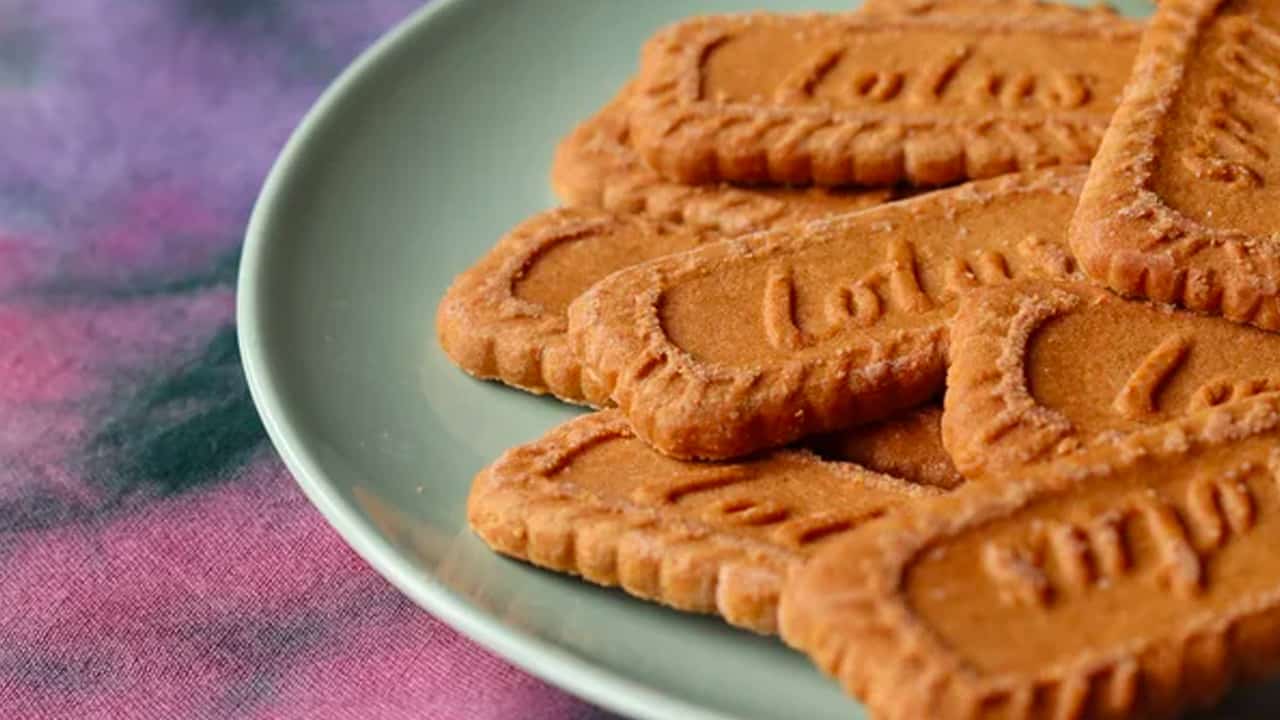
Biscoff cookies have a way of winning people over fast. One bite delivers warm spice, deep caramel flavor, and a smooth richness that feels familiar and special at the same time. Whether you’ve tried them on an airplane, spread on toast, or baked into desserts, Biscoff cookies leave a strong impression.
This guide covers what Biscoff cookies are, why they’re so popular, ingredients, step-by-step baking instructions, tips, common mistakes, variations, substitutions, storage, FAQs, and expert insights, written in a natural, home-baker-friendly way.
What Are Biscoff Cookies?
Biscoff cookies are spiced caramelized cookies made using Biscoff spread, also known as cookie butter. The flavor is inspired by traditional European speculoos cookies, which are crisp, warmly spiced biscuits often enjoyed with coffee.
Homemade Biscoff cookies are usually softer and thicker than the original biscuits. They keep the same flavor profile but with a more indulgent, chewy texture that works beautifully for home baking.
Think of them as a cross between a sugar cookie and a spice cookie, with caramel notes woven through every bite.
Why Biscoff Cookies Are So Popular
Part of the appeal comes from the flavor. Biscoff spread has a deep, toasted sweetness with hints of cinnamon and spice. That taste feels cozy without being heavy.
Another reason is versatility. Biscoff works in cookies, cakes, cheesecakes, and fillings. It melts smoothly, mixes easily, and pairs well with chocolate, vanilla, coffee, and nuts.
Once people bake with Biscoff, it tends to become a pantry staple.
What Does Biscoff Taste Like?
Biscoff has a caramelized, spiced flavor similar to gingerbread but milder and smoother. Cinnamon is the most noticeable spice, supported by subtle notes of nutmeg and clove.
The spread itself is creamy and sweet, which helps keep cookies soft and rich. Unlike peanut butter, Biscoff contains no nuts, making it a good option for nut-free baking.
Ingredients You’ll Need
Biscoff cookies use simple ingredients, but balance matters.
Dry Ingredients
All-purpose flour provides structure. Baking soda helps the cookies spread and rise slightly. Salt balances sweetness and enhances flavor.
Wet Ingredients
Unsalted butter adds richness. Brown sugar deepens the caramel flavor. Granulated sugar adds sweetness and helps with texture. Biscoff spread is the star ingredient. Eggs bind the dough. Vanilla extract rounds out the flavor.
Optional additions include cinnamon for extra warmth or chocolate chips for contrast.
Tools and Equipment
You’ll need mixing bowls, measuring cups and spoons, a hand or stand mixer, a spatula, baking sheets, and parchment paper. A cookie scoop helps keep sizes even, but it’s not required.
How to Make Biscoff Cookies Step by Step
Step 1: Prepare the Oven and Pans
Preheat your oven to 350°F (175°C). Line baking sheets with parchment paper to prevent sticking.
Step 2: Mix the Dry Ingredients
In a bowl, whisk together flour, baking soda, salt, and cinnamon if using. Set aside.
Step 3: Cream Butter, Sugars, and Biscoff
Beat softened butter, brown sugar, and granulated sugar until light and fluffy. Add the Biscoff spread and mix until smooth and fully combined.
Step 4: Add Egg and Vanilla
Mix in the egg and vanilla extract until the dough looks creamy and uniform.
Step 5: Combine Wet and Dry Ingredients
Gradually add the dry ingredients to the wet mixture. Mix just until no dry streaks remain. Overmixing can lead to dense cookies.
Step 6: Scoop and Bake
Scoop dough onto prepared baking sheets, leaving space for spreading. Bake until the edges are set and the centers look slightly soft.
Step 7: Cool
Let cookies cool on the baking sheet for a few minutes, then transfer to a rack. They will firm up slightly as they cool while staying soft inside.
Tips for Soft and Flavorful Biscoff Cookies
Use room-temperature butter for smooth mixing. Measure flour carefully to avoid dry cookies. Slightly underbake for the best texture. Let the cookies rest on the pan after baking to finish setting.
For extra flavor, sprinkle a tiny pinch of cinnamon sugar on top before baking.
Common Mistakes and How to Avoid Them
Dry cookies usually mean too much flour or overbaking. Flat cookies can happen if butter is too warm. Greasy texture may come from adding extra Biscoff spread beyond the recipe amount. Overmixing leads to tough cookies.
Stick to the measurements, and the cookies will reward you.
Biscoff Cookie Variations
Biscoff cookies are easy to customize.
Biscoff chocolate chip cookies add sweetness and contrast. Stuffed Biscoff cookies hide a spoon of Biscoff spread in the center. Crinkle-style Biscoff cookies are rolled in sugar before baking for a crackled look. Sandwich cookies use Biscoff frosting between two soft cookies.
Each version keeps the core flavor while offering a new texture.
Ingredient Substitutions
Butter can be replaced with dairy-free alternatives for vegan baking. Egg substitutes work well due to the moisture from Biscoff. Gluten-free flour blends usually perform well in this recipe. Brown sugar can replace all granulated sugar for a deeper caramel taste.
Avoid replacing Biscoff spread itself, as it defines the cookie.
How to Store Biscoff Cookies
Store Biscoff cookies in an airtight container at room temperature for up to four days. Refrigeration extends shelf life but can firm up the texture. Let chilled cookies come to room temperature before serving.
Baked cookies freeze well for up to two months. Dough can also be frozen and baked as needed.
Serving Suggestions
Serve Biscoff cookies with coffee, tea, or milk. Warm cookies slightly for a softer bite. Crumble them over ice cream or layer them into dessert cups for easy treats.
They also make great gifts when packaged simply.
Frequently Asked Questions
Biscoff cookies are sweeter and more spiced than regular sugar cookies. They stay soft due to the spread’s moisture. Crunchy Biscoff spread can be used for texture. Extra spice is optional, as the spread already contains flavor.
The cookies should look slightly underbaked when removed from the oven.
Expert Baking Insight
Biscoff cookies succeed because the spread does more than add flavor. It contributes fat, sugar, and moisture all at once. When bakers try to boost flavor by adding too much spread, texture suffers. Balance is key. Let the ingredient do its job without overpowering the dough.
That restraint keeps the cookies soft, rich, and consistent.
Final Thoughts
Biscoff cookies are cozy, flavorful, and easy to love. With simple ingredients and a straightforward method, they fit perfectly into everyday home baking.
Once you make a batch from scratch, it becomes clear why Biscoff has such a loyal following. These cookies don’t need decorating or extras. Their flavor speaks for itself, one warm, spiced bite at a time.