
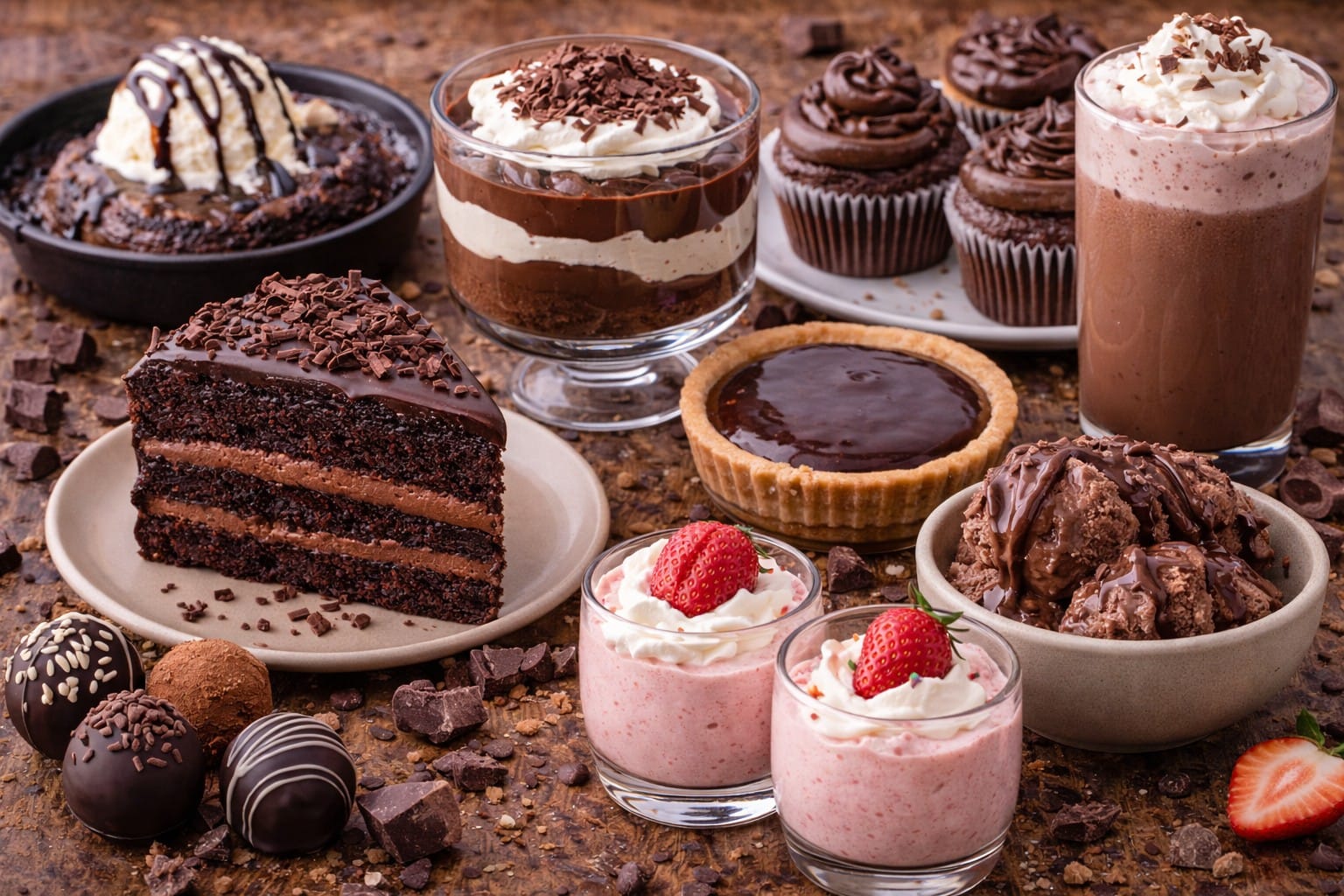
Chocolate desserts hold a special place in almost every kitchen. They feel comforting, indulgent, and familiar, yet they can also feel elegant and special with very little effort. From simple brownies to rich cakes and no-bake treats, chocolate has a way of making desserts feel complete. For home bakers, chocolate desserts are especially rewarding because they’re forgiving, flexible, and deeply satisfying.
This complete guide covers everything you need to know about chocolate desserts, including what makes them so popular, essential ingredients, types of chocolate, easy dessert ideas, baking tips, common mistakes, variations, substitutions, storage, frequently asked questions, and expert insights to help you get consistent, delicious results at home.
Why Chocolate Desserts Are So Popular
Chocolate desserts appeal to people of all ages. The flavor is rich but familiar, bold but comforting. Chocolate works well with many other ingredients, from fruit and nuts to cream, coffee, and spices. It also delivers strong flavor even in small amounts, which is why chocolate desserts often feel satisfying without needing extra decoration.
Another reason chocolate desserts remain timeless is reliability. When baked correctly, they almost always taste good. Even simple recipes feel special because chocolate brings depth and warmth that few other ingredients can match.
Types of Chocolate Used in Desserts
Understanding chocolate types helps improve results.
Dark chocolate contains cocoa solids, cocoa butter, and little to no milk. It delivers deep flavor and works well in brownies, cakes, and truffles. Milk chocolate is sweeter and creamier, making it ideal for frostings, fillings, and kid-friendly desserts. White chocolate contains cocoa butter but no cocoa solids, giving it a sweet, vanilla-like flavor that pairs well with berries and citrus. Cocoa powder comes in natural and Dutch-processed forms, each affecting flavor and acidity differently.
Choosing the right chocolate sets the tone for the dessert.
Essential Ingredients That Pair Well With Chocolate
Chocolate plays well with many supporting flavors.
Butter adds richness and smooth texture. Eggs provide structure and moisture. Sugar balances bitterness and enhances flavor. Vanilla softens chocolate’s intensity. Salt sharpens and deepens taste. Coffee or espresso intensifies chocolate without adding coffee flavor. Nuts add crunch, while cream creates smoothness.
Simple ingredients, when balanced correctly, make chocolate shine.
Classic Chocolate Desserts Worth Mastering
Some chocolate desserts never go out of style because they work every time.
Chocolate Brownies
Brownies range from fudgy to cakey depending on fat, flour, and mixing. Fudgy brownies use more fat and less flour, while cakey brownies rely on eggs and air. Both styles benefit from careful baking and proper cooling time.
Chocolate Cake
Chocolate cake can be light and fluffy or rich and dense. Oil-based cakes stay moist longer, while butter-based cakes offer richer flavor. Cocoa powder and melted chocolate each create different textures and tastes.
Chocolate Chip Cookies
Chocolate chip cookies balance sweetness, chew, and crisp edges. The quality of chocolate chips and proper chilling often make the biggest difference.
Chocolate Mousse
Chocolate mousse feels fancy but relies on simple technique. Whipped cream or egg whites provide lightness, while melted chocolate delivers richness.
Easy Chocolate Desserts for Beginners
Chocolate desserts are ideal for beginner bakers.
No-bake chocolate truffles require minimal equipment. Chocolate mug cakes deliver instant satisfaction. Simple chocolate bark uses melted chocolate and toppings. Chocolate pudding relies on gentle heat and patience.
These desserts build confidence quickly and reward effort immediately.
Baking With Cocoa Powder vs Melted Chocolate
Each form behaves differently.
Cocoa powder provides strong flavor without extra fat. Melted chocolate adds richness, structure, and moisture. Many recipes use both to create balance.
When substituting, adjustments to fat and sugar are often necessary.
Tips for Rich Chocolate Flavor
Small choices create big impact.
Use good-quality chocolate whenever possible. Add a pinch of salt to enhance flavor. Include vanilla for balance. Try a small amount of coffee or espresso powder to deepen taste. Avoid overbaking, which dulls chocolate’s richness.
Chocolate rewards attention to detail.
Common Mistakes When Making Chocolate Desserts
Several issues come up repeatedly.
Overbaking leads to dry texture. Using low-quality chocolate causes flat flavor. Skipping salt makes desserts taste one-dimensional. Overmixing creates dense cakes and tough brownies. Rushing cooling time affects texture and structure.
Patience matters just as much as ingredients.
How Sweet Should Chocolate Desserts Be?
Sweetness should support chocolate, not overpower it.
Dark chocolate desserts often need less sugar. Milk chocolate desserts require careful balance to avoid being overly sweet. Taste batter when safe to do so and adjust gradually.
Balanced sweetness keeps chocolate flavor front and center.
No-Bake Chocolate Desserts
No-bake chocolate desserts are perfect for busy schedules.
Chocolate refrigerator cakes, no-bake cheesecakes, chocolate peanut butter bars, and energy bites all rely on chilling rather than baking. These desserts highlight chocolate’s natural richness with minimal effort.
They’re especially useful in warm kitchens.
Chocolate Desserts With Fruit
Fruit adds brightness and contrast.
Chocolate pairs beautifully with strawberries, raspberries, cherries, bananas, and oranges. Fruit cuts richness and adds freshness, making desserts feel lighter.
Fresh, baked, or dried fruit can all work depending on texture goals.
Healthier Chocolate Dessert Options
Chocolate can still fit into lighter desserts.
Using cocoa powder instead of chocolate bars reduces fat. Sweetening with fruit or smaller amounts of sugar lowers calories. Greek yogurt adds creaminess with protein. Dark chocolate used sparingly delivers flavor without excess sugar.
Moderation often tastes better than restriction.
Variations to Keep Chocolate Desserts Interesting
Simple changes create variety.
Add spices like cinnamon or chili for warmth. Include nuts for texture. Swirl in caramel or peanut butter for contrast. Mix dark and milk chocolate for layered flavor.
Chocolate welcomes creativity.
Ingredient Substitutions
Flexibility helps when ingredients run out.
Coconut oil can replace butter in many recipes. Applesauce can replace some fat for moisture. Dairy-free chocolate works for vegan desserts. Almond milk or oat milk substitutes for dairy milk easily.
Understanding purpose makes substitutions safer.
How to Store Chocolate Desserts
Proper storage protects flavor and texture.
Cakes and brownies store well covered at room temperature for two days. Refrigeration extends freshness for cream-based desserts. Airtight containers prevent chocolate from absorbing odors.
Storage choices affect final enjoyment.
Can Chocolate Desserts Be Frozen?
Many freeze beautifully.
Brownies, cookies, unfrosted cakes, and truffles freeze well. Thaw slowly for best texture. Avoid freezing desserts with delicate whipped toppings unless necessary.
Freezing allows advance preparation.
Chocolate Desserts for Parties and Gatherings
Chocolate desserts are reliable crowd-pleasers.
Sheet cakes feed many people easily. Brownie bars cut cleanly and transport well. Mini chocolate cupcakes offer portion control. Truffles feel elegant with little effort.
Chocolate rarely disappoints a group.
Frequently Asked Questions About Chocolate Desserts
Why do some chocolate cakes taste dry?
Overbaking or too little fat usually causes dryness.
Can I use chocolate chips instead of baking chocolate?
Yes, but flavor and melting may differ.
Does cocoa powder expire?
It lasts a long time but loses flavor over time.
Is dark chocolate healthier?
It contains less sugar and more cocoa solids.
Expert Insight
Great chocolate desserts respect balance. Richness, sweetness, and texture must work together. When one element overwhelms the others, chocolate loses its magic. Successful bakers focus less on complexity and more on execution, letting chocolate do what it does best.
Think of chocolate as the lead singer. Everything else supports the performance.
Final Thoughts
Chocolate desserts remain timeless for a reason. They’re comforting, versatile, and deeply satisfying. Whether you bake a simple brownie or a layered cake, chocolate delivers flavor that feels familiar and special at the same time.
By choosing good ingredients, using thoughtful techniques, and avoiding common mistakes, you can create chocolate desserts that taste rich, balanced, and reliable. Once you master the basics, chocolate becomes less intimidating and more inspiring, opening the door to endless dessert possibilities right from your own kitchen.