
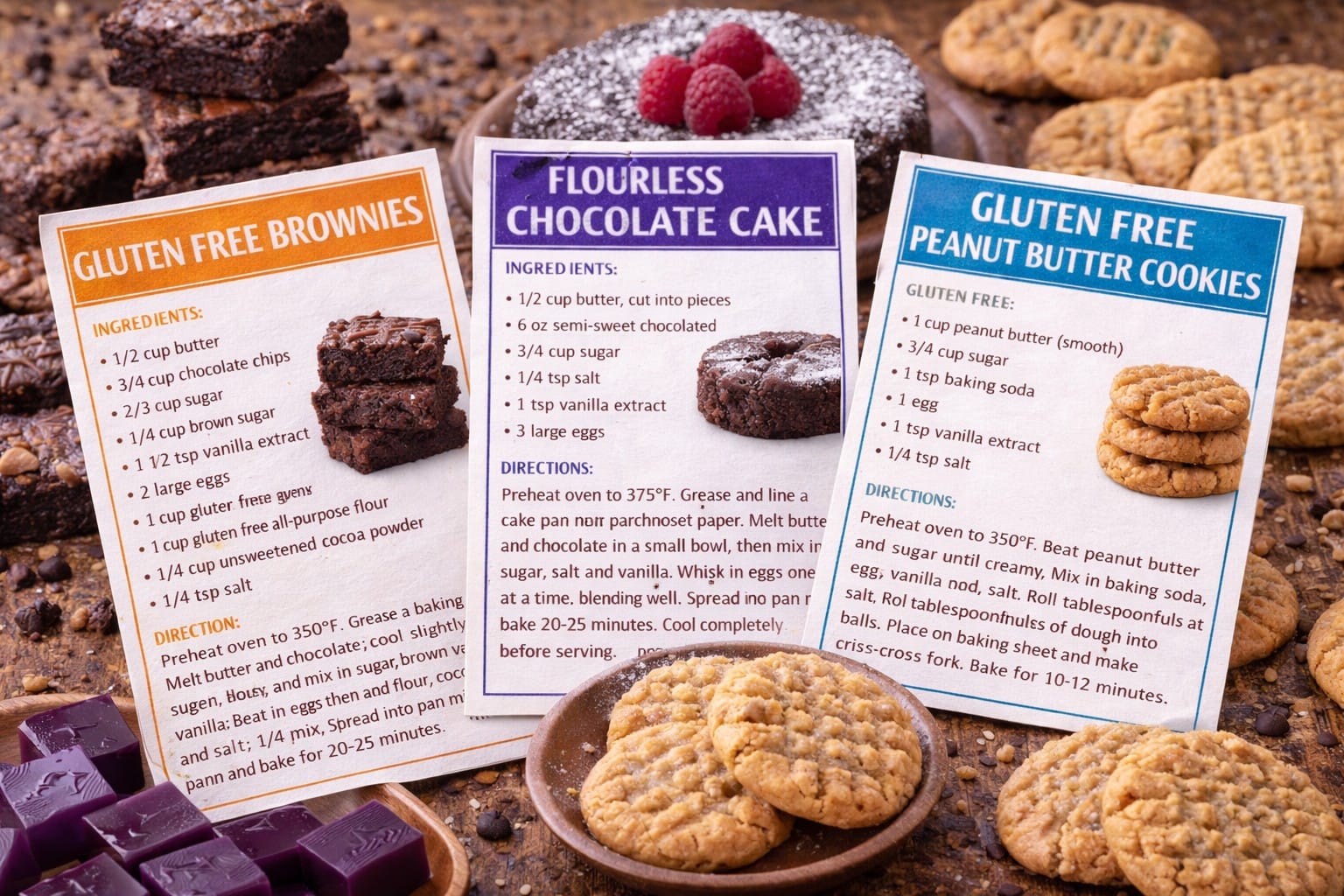
Low calorie desserts don’t have to feel like a punishment. When they’re done right, they satisfy sweet cravings, feel comforting, and still fit into everyday eating habits. The secret isn’t cutting everything out. Instead, it’s choosing smarter ingredients, using better techniques, and understanding where calories really come from.
This complete guide covers what low calorie desserts are, the best ingredients to use, easy recipes, smart swaps, common mistakes, storage tips, and expert advice to help you enjoy dessert without guilt or disappointment.
What Are Low Calorie Desserts?
Low calorie desserts are sweets designed to reduce overall calorie content while still tasting enjoyable. They usually do this by lowering sugar, fat, or portion size rather than eliminating flavor completely.
Most low calorie desserts focus on balance. Sweetness comes from fruit, lighter sweeteners, or smaller amounts of sugar. Richness comes from yogurt, eggs, or cocoa instead of heavy cream or butter. Texture is created through baking methods rather than excess fat.
The goal is satisfaction, not deprivation.
Why Low Calorie Desserts Work Better Than No Dessert
Completely avoiding dessert often leads to stronger cravings later. Low calorie desserts give you permission to enjoy something sweet without feeling out of control.
When dessert feels planned and intentional, it becomes easier to stick with healthy habits long term. Think of these desserts as a gentle middle ground rather than a strict rule.
Key Ingredients Used in Low Calorie Desserts
Certain ingredients show up again and again in successful low calorie recipes.
Greek yogurt adds creaminess and protein while keeping calories lower than cream or butter. Applesauce replaces oil or butter in cakes and muffins while adding moisture. Fresh fruit provides natural sweetness and fiber. Cocoa powder delivers strong chocolate flavor with minimal calories. Egg whites add structure without fat. Oat flour and almond flour provide more fiber and satiety than refined flour.
Sweeteners like honey, maple syrup, stevia, monk fruit, or erythritol are often used in smaller amounts to control sugar content.
The Role of Portion Size
One of the most overlooked tricks in low calorie desserts is portion control.
Mini desserts, bars cut into small squares, and single-serve treats automatically reduce calorie intake without changing ingredients much. A small dessert enjoyed slowly often feels just as satisfying as a large one eaten mindlessly.
Smaller portions also make desserts feel more special.
Easy Low Calorie Dessert Ideas for Beginners
Some desserts naturally adapt well to lower calorie baking. These are great places to start.
Baked Apples
Baked apples are warm, sweet, and comforting.
Core an apple, sprinkle with cinnamon, and bake until soft. Add a small drizzle of honey or maple syrup if needed. The natural sweetness of the fruit does most of the work.
Yogurt Parfaits
Greek yogurt layered with berries and a sprinkle of granola creates a dessert that feels indulgent but stays light.
Using plain yogurt and adding your own sweetness gives better control than flavored versions.
Chocolate Banana Nice Cream
Frozen bananas blended with cocoa powder create a creamy, ice-cream-like dessert.
No added sugar is required, and the texture feels surprisingly rich.
Low Calorie Brownie Bites
Brownies can be lightened by using cocoa powder, egg whites, applesauce, and a reduced amount of sugar.
Baking them in mini muffin tins keeps portions reasonable and satisfying.
Chia Pudding
Chia seeds soaked in almond milk with a touch of sweetener create a pudding-like dessert.
It’s filling, lightly sweet, and easy to customize with fruit or cocoa.
Baking Techniques That Reduce Calories
Technique matters as much as ingredients.
Using oil sprays instead of butter for greasing pans reduces hidden calories. Baking instead of frying lowers fat content. Whipping egg whites adds volume without calories. Letting desserts cool fully improves texture so you don’t feel the need to add extra toppings.
Small adjustments add up quickly.
Smart Sugar Swaps That Still Taste Good
Sugar contributes sweetness, moisture, and structure. Removing it entirely often backfires.
Instead, reduce sugar gradually and rely on flavor boosters like vanilla, cinnamon, citrus zest, and cocoa. Fruit purees add sweetness and moisture at the same time. Non-nutritive sweeteners work best when combined with small amounts of real sugar for balance.
Taste should always guide decisions.
Using Fruit as the Main Sweetener
Fruit-based desserts feel lighter because sweetness comes with fiber and water.
Bananas, apples, berries, dates, and mangoes all work well in low calorie recipes. Blending fruit into batters or using it as a topping enhances flavor without adding empty calories.
Fruit-forward desserts also feel more refreshing.
Common Mistakes With Low Calorie Desserts
Over-restricting is the biggest problem.
Removing all fat leads to dry texture. Cutting all sugar removes flavor. Using too many artificial sweeteners can create an unpleasant aftertaste. Expecting low calorie desserts to taste exactly like full-fat versions sets unrealistic expectations.
Success comes from smart reduction, not total elimination.
How to Make Low Calorie Desserts Feel Indulgent
Indulgence is about experience, not calories.
Serve desserts on a plate instead of eating from a container. Add a dusting of cocoa powder or powdered sugar for visual appeal. Use strong flavors like dark chocolate, espresso, or citrus. Eat slowly and mindfully.
Presentation changes perception more than people realize.
Low Calorie No-Bake Desserts
No-bake desserts are especially useful when calories matter.
Refrigerator cheesecakes made with Greek yogurt, cocoa energy bites made with oats and dates, and fruit-based gelatin desserts are easy and reliable options. They require minimal ingredients and very little added fat.
These desserts are perfect for warm weather or busy schedules.
Chocolate in Low Calorie Desserts
Chocolate doesn’t have to disappear.
Cocoa powder offers intense flavor with far fewer calories than chocolate chips or bars. Dark chocolate used sparingly adds richness without excess sugar. Combining chocolate with fruit enhances sweetness naturally.
Chocolate becomes a supporting character rather than the entire story.
Storage Tips for Low Calorie Desserts
Low calorie desserts often rely on moisture-rich ingredients.
Store them tightly covered to prevent drying out. Refrigeration works well for yogurt-based and fruit-based desserts. Baked goods with applesauce or yogurt may last slightly shorter than traditional versions.
Freezing individual portions helps with planning and portion control.
Can Low Calorie Desserts Be Frozen?
Many freeze surprisingly well.
Brownie bites, muffins, and bars hold up nicely. Nice cream and frozen yogurt-based desserts are designed for freezing. Desserts with high water content may change texture slightly but remain edible.
Always thaw slowly for best results.
Low Calorie Desserts for Weight Management
Dessert can still fit into weight goals.
Planning dessert into the day prevents impulsive eating later. Pairing dessert with protein or fiber increases satisfaction. Eating dessert intentionally feels more rewarding than accidental snacking.
Consistency matters more than perfection.
Frequently Asked Questions About Low Calorie Desserts
Do low calorie desserts taste bland?
When balanced correctly, they taste flavorful and satisfying.
Are they good for everyone?
They work well for most people, especially those seeking moderation.
Can I eat them every day?
Yes, when portions and ingredients are reasonable.
Do I need special ingredients?
Most recipes use simple, everyday items.
Expert Insight
The best low calorie desserts don’t announce themselves as “diet food.” They simply taste good, feel satisfying, and leave you content instead of craving more. When dessert feels normal rather than restricted, it becomes easier to enjoy it responsibly.
Think of low calorie desserts as smarter desserts, not lesser ones.
Final Thoughts
Low calorie desserts prove that enjoyment and balance can exist together. With thoughtful ingredients, realistic expectations, and simple techniques, you can create desserts that satisfy your sweet tooth without weighing you down.
Instead of giving up dessert, reshape it. When done well, low calorie desserts become a sustainable part of everyday life, not a temporary fix.