
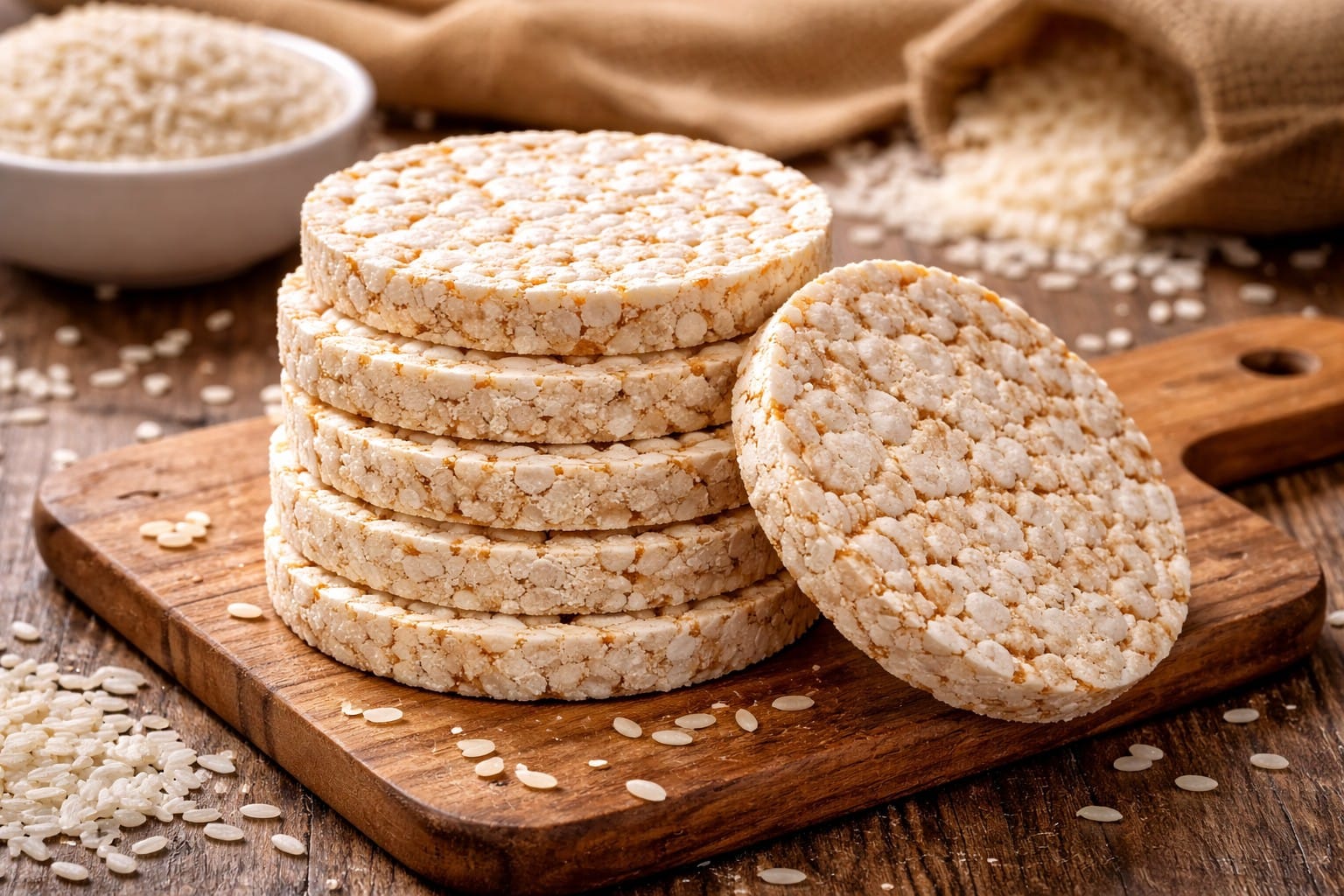
Rice cakes are simple, comforting, and incredibly versatile. They show up in many cuisines around the world, from soft and chewy Asian-style rice cakes to crisp puffed rice cakes used as snacks or dessert bases. Whether you’re looking for something lightly sweet, gently chewy, or a neutral base for toppings, rice cakes are one of those foods that adapt easily to your kitchen and skill level.
This guide explains what rice cakes are, the main types, how to make them at home, common mistakes, variations, substitutions, storage tips, and practical ways to use them in desserts and snacks, all in clear, beginner-friendly language.
What Are Rice Cakes?
Rice cakes are foods made primarily from rice or rice flour. Depending on how they’re prepared, they can be soft and chewy, firm and sliceable, or light and crunchy. The texture depends on the type of rice used, how finely it’s ground, and how it’s cooked.
Think of rice cakes as a blank canvas. Some are meant to soak up flavor, while others are designed to stay crisp and act as a base for toppings.
Types of Rice Cakes
Understanding the different kinds of rice cakes helps you choose the right one for your recipe.
Chewy Rice Cakes
These are made from rice flour or pounded rice and steamed until soft and elastic. They’re common in many Asian desserts and snacks and have a stretchy, slightly sticky texture.
Puffed Rice Cakes
These are made by puffing rice under heat and pressure. They’re dry, crisp, and airy, often sold plain or lightly salted. These are popular as snacks or as a base for sweet toppings.
Pan-Fried or Grilled Rice Cakes
Some rice cakes are shaped, then cooked in a pan or on a grill. The outside becomes lightly crisp while the inside stays soft.
Ingredients You’ll Need
The ingredients depend on the type of rice cake you’re making, but most homemade versions are surprisingly simple.
For Soft, Chewy Rice Cakes
Glutinous rice flour or rice flour forms the base. Water or milk hydrates the flour. Sugar is optional for sweet versions. A pinch of salt balances flavor.
For Crisp Rice Cakes
Cooked rice is usually pressed or dried, then cooked again to remove moisture. Store-bought versions are common, but homemade ones are possible with patience.
Tools and Equipment
You don’t need fancy tools to make rice cakes.
A mixing bowl, measuring cups, spatula, steamer or microwave-safe bowl, parchment paper, and a knife are usually enough. For chewy rice cakes, a steamer works best, but a microwave can also be used.
How to Make Soft Rice Cakes at Home
This method creates a basic chewy rice cake that can be used in sweet or savory recipes.
Step 1: Mix the Dough
Combine rice flour, water, sugar if using, and salt in a bowl. Mix until smooth. The mixture should be thick but pourable.
Step 2: Steam the Batter
Pour the mixture into a lined pan or bowl. Steam until fully set and slightly translucent. This usually takes about 20 to 30 minutes.
Step 3: Cool and Shape
Let the rice cake cool slightly, then cut or shape as needed. Lightly oil your knife or hands to prevent sticking.
Step 4: Use or Store
The rice cake can be used immediately or stored for later.
The finished texture should be soft, chewy, and elastic, not crumbly or dry.
Tips for Perfect Rice Cakes
Measure liquids carefully, as too much water makes rice cakes gummy and too little makes them stiff. Stir the batter thoroughly to avoid lumps. Always cover rice cakes while cooling to prevent drying out. Lightly oil tools to make handling easier.
Common Mistakes and How to Avoid Them
Dense or hard rice cakes usually mean too little liquid or overcooking. Sticky, glue-like texture often comes from too much water. Cracking or dryness happens when rice cakes are left uncovered. Uneven texture usually means the batter wasn’t mixed well.
Sweet Rice Cake Variations
Rice cakes are excellent in desserts.
Coconut rice cakes use coconut milk instead of water for richness. Vanilla rice cakes add gentle flavor and pair well with fruit. Chocolate rice cakes include cocoa powder or melted chocolate. Fruit-filled rice cakes use mashed fruit or jam folded into the batter.
Using Puffed Rice Cakes in Desserts
Crisp rice cakes are perfect for quick desserts.
Spread them with nut butter and drizzle with honey. Top with cream cheese and fruit. Dip half into melted chocolate and let set. Use them as a base for no-bake layered desserts.
They’re light, crunchy, and easy to dress up without baking.
Ingredient Substitutions
Rice flour can sometimes be replaced with glutinous rice flour, but the texture will change and become chewier. Sugar can be replaced with honey or maple syrup in sweet versions. Milk or coconut milk can replace water for richer flavor. Dairy-free options work well since rice cakes don’t rely on butter or eggs.
How to Store Rice Cakes
Soft rice cakes should be wrapped tightly and stored at room temperature for one day or refrigerated for up to three days. Reheat gently to restore softness. Puffed rice cakes should be kept in an airtight container at room temperature to stay crisp.
For longer storage, soft rice cakes can be frozen and reheated by steaming or microwaving.
Serving Ideas
Soft rice cakes pair well with fruit, sweet sauces, or light dustings of sugar. Crisp rice cakes work with spreads, chocolate, or yogurt toppings. Rice cakes can be served warm, room temperature, or chilled depending on the recipe.
Frequently Asked Questions
Rice cakes can be sweet or savory depending on how they’re made. Chewy rice cakes are naturally gluten-free when made with pure rice flour. If rice cakes harden after cooling, gentle reheating usually restores their texture. Homemade rice cakes taste mild, which makes them easy to customize.
Expert Insight
Rice cakes are all about texture control. Once you understand how liquid, heat, and time affect them, they become one of the most flexible foods you can make at home. Small adjustments lead to big changes, which is why they’re so popular across cultures.
Final Thoughts
Rice cakes may look simple, but they offer endless possibilities. From soft and chewy treats to crisp snack bases, they fit easily into both everyday cooking and special desserts. With basic ingredients and a little practice, rice cakes can become a reliable and creative part of your home kitchen.