
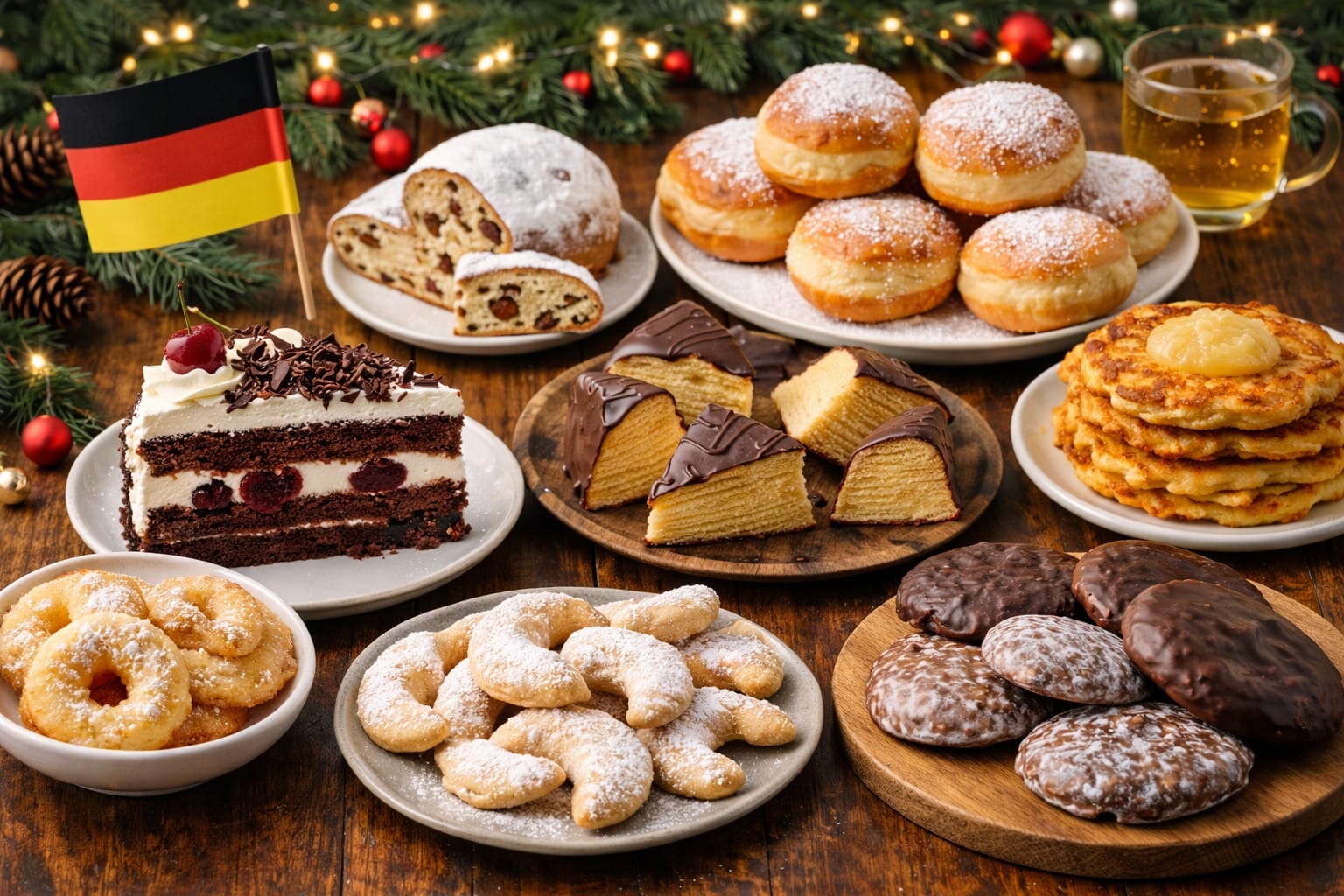
German desserts are comforting, rich, and deeply rooted in tradition. They focus on simple ingredients, warm spices, fruit, nuts, and baked textures that feel hearty rather than overly sweet. Many German desserts were created to be filling and practical, yet they’ve stood the test of time because they taste genuinely good. For home bakers, these desserts are appealing because they rely on familiar pantry staples and straightforward techniques.
This article explores German desserts in a clear, beginner-friendly way. You’ll learn what defines them, the most popular traditional sweets, common ingredients, how they’re made, helpful tips, mistakes to avoid, variations, storage advice, and answers to common questions.
German desserts are less about decoration and more about flavor, texture, and comfort. Think of them as the baking version of a cozy blanket.
What Makes German Desserts Unique
German desserts tend to be richer and more filling than many modern sweets. Instead of relying on frosting or heavy cream, they use doughs, custards, fruit fillings, and nuts to build flavor.
Key characteristics include:
- Moderate sweetness
- Dense or tender textures
- Frequent use of fruit, especially apples and cherries
- Nuts like almonds and hazelnuts
- Yeast doughs and shortcrust pastry
- Warm spices such as cinnamon and cloves
Rather than tasting sugary, German desserts feel balanced and satisfying.
Common Ingredients in German Desserts
Many traditional recipes were created when ingredients were limited, which is why they remain simple and accessible.
Common ingredients include:
- Flour
- Eggs
- Butter
- Sugar
- Milk
- Yeast
- Apples
- Cherries
- Plums
- Almonds
- Hazelnuts
- Cocoa powder
- Vanilla
- Cinnamon
These ingredients combine to create desserts that are sturdy, flavorful, and comforting.
Popular Traditional German Desserts
Germany has a wide variety of regional desserts, but some are loved nationwide.
Black Forest Cake
Black Forest cake is one of the most famous German desserts. It’s made with chocolate sponge cake, whipped cream, cherries, and cherry liqueur. The layers are rich but light at the same time, thanks to the airy sponge and cream.
At home, many bakers skip the alcohol and still get great results.
Apple Strudel
Apple strudel features thin pastry wrapped around a spiced apple filling with raisins and breadcrumbs. The pastry is stretched until nearly transparent, creating delicate layers when baked.
It’s warm, fragrant, and often served with vanilla sauce or powdered sugar.
German Cheesecake
German cheesecake, or Käsekuchen, is lighter and tangier than American cheesecake. It’s made with quark instead of cream cheese, giving it a soft, slightly airy texture.
This dessert is baked on a simple crust and is not overly sweet.
Bee Sting Cake
Bee sting cake combines soft yeast dough with a creamy filling and a caramelized almond topping. The contrast between fluffy bread, smooth cream, and crunchy almonds makes it especially satisfying.
Despite its name, it’s friendly and crowd-pleasing.
Plum Cake
German plum cake is a simple sheet cake topped with fresh plums and sometimes finished with streusel. The fruit softens as it bakes, creating a juicy topping that balances the cake underneath.
This dessert is popular during late summer and early fall.
German Cookies and Small Sweets
German baking includes many cookies and bite-sized desserts, especially around holidays.
Popular examples include:
- Lebkuchen
- Spritz cookies
- Vanilla crescent cookies
- Gingerbread cookies
- Shortbread-style butter cookies
These cookies are often lightly sweetened and flavored with spices or nuts.
German Christmas Desserts
Christmas is a major baking season in Germany.
Classic holiday desserts include:
- Stollen
- Lebkuchen
- Marzipan sweets
- Spiced cookies
- Fruit-filled breads
These desserts are rich, dense, and designed to keep well during winter.
Yeast-Based German Desserts
Yeast dough plays a big role in German baking.
Common yeast desserts:
- Sweet rolls
- Filled buns
- Braided breads
- Cream-filled pastries
These desserts feel more like sweet breads than cakes.
Fruit in German Desserts
Fruit is central to many German sweets.
Most commonly used fruits:
- Apples
- Cherries
- Plums
- Apricots
- Berries
Fruit adds moisture, acidity, and natural sweetness.
How Sweet Are German Desserts
German desserts are generally less sweet than American desserts. Sugar enhances flavor but doesn’t overpower it. This makes them easier to enjoy after a heavy meal.
If you prefer mild sweetness, German desserts are a great fit.
Tips for Making German Desserts at Home
Success comes from technique rather than decoration.
Helpful tips:
- Measure ingredients accurately
- Don’t rush yeast dough
- Use ripe fruit
- Let cakes cool fully before slicing
- Follow baking times closely
Patience improves texture and flavor.
Common Mistakes to Avoid
Some errors can affect results.
Avoid:
- Overmixing cake batter
- Using too much sugar
- Underbaking dense cakes
- Skipping resting time for dough
- Substituting ingredients without adjustments
Traditional recipes rely on balance.
Easy German Desserts for Beginners
Some desserts are especially approachable.
Beginner-friendly options:
- Apple cake
- Plum sheet cake
- Butter cookies
- Simple sponge cakes
- Streusel-topped cakes
These recipes build confidence quickly.
Modern Takes on German Desserts
Many modern bakers adapt traditional recipes.
Examples include:
- Chocolate variations of classic cakes
- Fruit swaps based on season
- Lighter fillings
- Reduced sugar versions
- Individual-sized portions
The core flavors stay the same.
How to Store German Desserts
Storage depends on the dessert type.
Room temperature:
- Butter cakes
- Cookies
- Sweet breads
Refrigerate:
- Cream-filled desserts
- Cheesecakes
Freeze:
- Unfilled cakes
- Cookies
- Yeast dough
Many German desserts store well.
Serving German Desserts
German desserts are often served simply.
They pair well with:
- Coffee
- Tea
- Afternoon breaks
- Family meals
Presentation is modest and practical.
Frequently Asked Questions
Are German desserts hard to make
Most are straightforward with basic baking skills.
Do German desserts use a lot of frosting
No, frosting is minimal or absent.
Can I reduce sugar
Yes, many recipes allow adjustment.
Are German desserts heavy
They are filling but not overly sweet.
Do I need special tools
Basic baking tools are enough.
Expert Insight
Experienced bakers focus on structure and timing. German desserts reward careful mixing, proper baking temperatures, and patience. When done right, the results are dependable and deeply satisfying, even without decoration.
Final Thoughts
German desserts celebrate comfort, tradition, and honest baking. They rely on familiar ingredients and time-tested techniques rather than trends. For home bakers, this makes them approachable, reliable, and rewarding.
Whether you bake a simple apple cake or a layered classic like Black Forest cake, German desserts offer warmth and balance in every bite. They prove that great desserts don’t need to be flashy to be memorable.